You’re not sorting only stuff, you’re sorting stories.
Why small piles can carry big emotions
One box can hold family history. One drawer can hold old guilt. One stack of papers can whisper, “You should’ve dealt with this sooner.”
That’s why small areas can feel strangely huge. The item in front of you may connect to a parent, a marriage, a younger version of you, or a season you miss. So even when the task looks simple, it doesn’t feel simple.
The private thoughts that make clutter feel even heavier
Before you touch a thing, your mind may already be working against you, running a mental inventory of doubts.
You might think you’re behind, bad at this, or the only one who struggles. You may tell yourself you should be able to do it faster. You may freeze because you don’t know where to start, and then feel embarrassed for freezing.
It is time to realize that none of this is true!
Those thoughts cost energy. So the clutter gets heavier before you even open the bin.

Why you can know what to do and still feel stuck
Practical advice has its place. Sort by category. Set a timer. Fill one bag. Those ideas can help, but they don’t always reach the real problem.
If an item brings up grief, guilt, or fear of regret, a checklist won’t magically make the feeling disappear. If your mind is tired from too many choices and delayed decisions, even an easy decision can feel hard. If your body is already in overload with energy drain, the clutter feels heavier before you even start, and the task may feel bigger than it is. That’s whatwe mean by decision fatigue, emotional triggers, nervous system overwhelm, and the link between clutter and mental health. In plain terms, your brain and body hit a wall.
Force isn’t the answer. More pressure can add more shame, and shame rarely creates calm action. Awareness helps more. When you can notice what the object means, what thought shows up, and when your energy drops, the task becomes clearer and kinder.
Why checklists and timers do not always solve the real problem: organizing is not decluttering
A 15-minute timer sounds helpful until the first paper is an old medical bill, a school form, or a letter from someone you miss.
A donation box sounds simple until the sweater was expensive, the vase was inherited, or the craft supplies belong to a dream you haven’t fully let go of, representing the emotional labor of letting go. In other words, the task isn’t only “keep or toss.” It’s also unfinished decisions about “Who was I, who am I now, and can I let this go?“
A gentler way to notice what is getting in the way
Start with simple noticing. Which items feel easy? Which ones bring guilt right away? When does shame show up?
You don’t need to fix all of it at once. You only need to see it clearly enough to stop blaming yourself. That softer awareness is often where movement begins.
The Quiet Weight of Decluttering workshop will help you move forward
This workshop offers a compassionate next step if you’ve been stuck in that heavy middle place. It’s not a push to declutter faster. It’s a chance to understand why decluttering can feel so loaded, and what helps in quieting a space so it feels lighter. Let go of shame and guilt by joining others who are also on a path of mindful decluttering!
Stay tuned! In the fall of 2026 The Quiet Wheight of Decluttering workshop will be held again.
Registration is required but the workshop is free. You can come from your kitchen table, your office, or the edge of the bed with a cup of tea in hand. No prep is needed. You don’t need a clean space, a plan, or the “right” mindset before you show up.
The workshop is designed to help you name the emotional layers beneath clutter, soften the shame around them to make room for calm, and leave with a kinder way forward.
If you’re ready to let go of some of that heaviness, save your spot HERE

During the workshop we will explore:
- Some of your reasons for carrying emotional weight: You’ll see why certain items feel harder than others, including skills for deciding what to keep.
- How old identities can hold you back: You’ll look at how clutter can tie you to older roles and versions of yourself.
- The role of grief and shame: You’ll name feelings that often stay hidden under the pile.
- Low-emotion wins: You’ll gain simple, low-emotion wins and clarity and focus for quieting a space.
- A kinder path forward: You’ll leave with more self-trust and relief through understanding, not more pressure.
Who this workshop is a good fit for:
This workshop is a good fit if you’re a woman in transition and clutter feels bigger than the space it takes up. Maybe you’re overwhelmed by physical chaos, emotionally attached to items, ashamed of how long it’s been, or simply too tired to begin.
It’s also a good fit if you’re neurodivergent, easily flooded by decisions, or hard on yourself because you think you “should” be better at this by now. You do not need to be ready, organized, or confident before you join. You can come exactly as you are.
Learn more and register HERE

For gentle help after the workshop, you can explore my virtual home organizing services or grab the VIP offer for support after the workshop.
If decluttering has felt strangely heavy, nothing is wrong with you. There are real reasons it can feel hard, and once you see them, shame starts to loosen. That’s often when letting go becomes possible.
The Quiet Weight of Decluttering workshop offers a softer place to begin by addressing the hidden weight of clutter. If you’re ready for that kind of support, save your spot!
Workshop Details
The Quiet Weight of Decluttering ~ Why Letting Go Feels So Hard (and why you’re not failing!)
WHEN: Tuesday, September 22nd 2026 3:00 p.m. PT / 4:00 p.m. MT / 5:00 p.m. CT / 6:00 p.m. ET
LEARN MORE AND REGISTER FOR THE FREE WORKSHOP HERE!
[/fusion_text][/fusion_builder_column][/fusion_builder_row][/fusion_builder_container]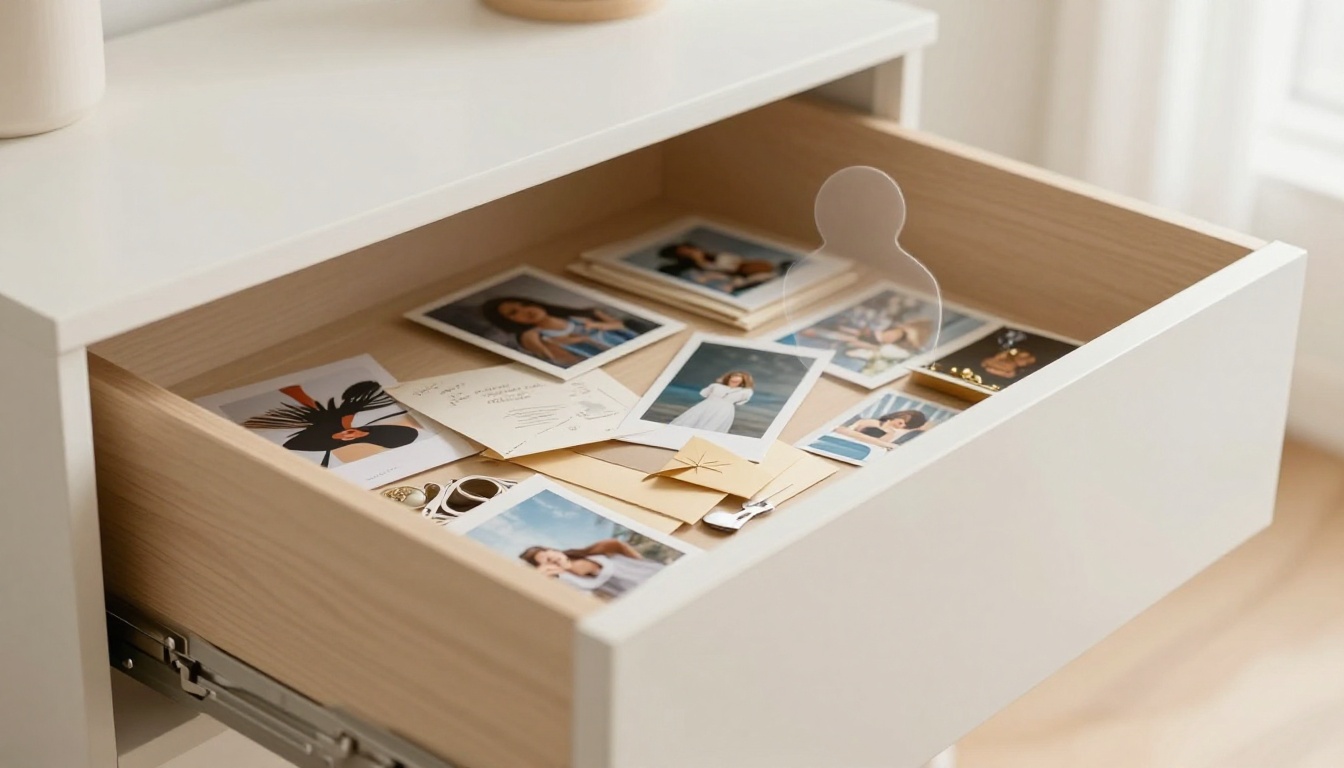
The Quiet Weight of Decluttering
Why does decluttering feel so hard when you already know what to do? You can see the drawer, the shelf, the accumulation of stuff in the paper pile. You may even know the next step. Still, your body says, "Not now."
That pause isn't laziness. It's often the quiet weight of decluttering, and it's emotional as much as practical, especially when you're moving through a life change. Our consumer culture leaves us with so much to sort through. A new season, this prime decluttering season, a downsizing move, a shifting family role, or a changing sense of self can make ordinary objects feel charged.
Key Takeaways
- Clutter often holds memory, grief, guilt, and identity
- Knowing what to do isn't always the same as being ready to do it
- Emotional overwhelm can block even small decluttering tasks
- A gentle workshop can help you see what's really making it hard
- You don't need to prepare, perform, or have it all together
What the quiet weight of decluttering really feels like
Clutter isn't always about having too much stuff in your external world. Sometimes it's about too much meaning in the internal world.
A single drawer full of visual noise can hold old batteries, takeout menus, receipts, sentimental items like a birthday card, and a tiny wave of shame. A shelf might carry books from a past career, gifts you never loved, or keepsakes that still tug at your heart. Even a stack of papers can feel loaded because these objects leave a psychological footprint, representing delayed choices, unfinished tasks, or years you can't get back.
You're not sorting only stuff, you're sorting stories.
Why small piles can carry big emotions
One box can hold family history. One drawer can hold old guilt. One stack of papers can whisper, "You should've dealt with this sooner."
That's why small areas can feel strangely huge. The item in front of you may connect to a parent, a marriage, a younger version of you, or a season you miss. So even when the task looks simple, it doesn't feel simple.
The private thoughts that make clutter feel even heavier
Before you touch a thing, your mind may already be working against you, running a mental inventory of doubts.
You might think you're behind, bad at this, or the only one who struggles. You may tell yourself you should be able to do it faster. You may freeze because you don't know where to start, and then feel embarrassed for freezing.
It is time to realize that none of this is true!
Those thoughts cost energy. So the clutter gets heavier before you even open the bin.
Why you can know what to do and still feel stuck
Practical advice has its place. Sort by category. Set a timer. Fill one bag. Those ideas can help, but they don't always reach the real problem.
If an item brings up grief, guilt, or fear of regret, a checklist won't magically make the feeling disappear. If your mind is tired from too many choices and delayed decisions, even an easy decision can feel hard. If your body is already in overload with energy drain, the clutter feels heavier before you even start, and the task may feel bigger than it is. That's whatwe mean by decision fatigue, emotional triggers, nervous system overwhelm, and the link between clutter and mental health. In plain terms, your brain and body hit a wall.
Force isn't the answer. More pressure can add more shame, and shame rarely creates calm action. Awareness helps more. When you can notice what the object means, what thought shows up, and when your energy drops, the task becomes clearer and kinder.
Why checklists and timers do not always solve the real problem: organizing is not decluttering
A 15-minute timer sounds helpful until the first paper is an old medical bill, a school form, or a letter from someone you miss.
A donation box sounds simple until the sweater was expensive, the vase was inherited, or the craft supplies belong to a dream you haven't fully let go of, representing the emotional labor of letting go. In other words, the task isn't only "keep or toss." It's also unfinished decisions about "Who was I, who am I now, and can I let this go?"
A gentler way to notice what is getting in the way
Start with simple noticing. Which items feel easy? Which ones bring guilt right away? When does shame show up?
You don't need to fix all of it at once. You only need to see it clearly enough to stop blaming yourself. That softer awareness is often where movement begins.
The Quiet Weight of Decluttering workshop will help you move forward
This workshop offers a compassionate next step if you've been stuck in that heavy middle place. It's not a push to declutter faster. It's a chance to understand why decluttering can feel so loaded, and what helps in quieting a space so it feels lighter. Let go of shame and guilt by joining others who are also on a path of mindful decluttering!
Stay tuned! In the fall of 2026 The Quiet Wheight of Decluttering workshop will be held again.
Registration is required but the workshop is free. You can come from your kitchen table, your office, or the edge of the bed with a cup of tea in hand. No prep is needed. You don't need a clean space, a plan, or the "right" mindset before you show up.
The workshop is designed to help you name the emotional layers beneath clutter, soften the shame around them to make room for calm, and leave with a kinder way forward.
If you're ready to let go of some of that heaviness, save your spot HERE
During the workshop we will explore:
- Some of your reasons for carrying emotional weight: You'll see why certain items feel harder than others, including skills for deciding what to keep.
- How old identities can hold you back: You'll look at how clutter can tie you to older roles and versions of yourself.
- The role of grief and shame: You'll name feelings that often stay hidden under the pile.
- Low-emotion wins: You'll gain simple, low-emotion wins and clarity and focus for quieting a space.
- A kinder path forward: You'll leave with more self-trust and relief through understanding, not more pressure.
Who this workshop is a good fit for:
This workshop is a good fit if you're a woman in transition and clutter feels bigger than the space it takes up. Maybe you're overwhelmed by physical chaos, emotionally attached to items, ashamed of how long it's been, or simply too tired to begin.
It's also a good fit if you're neurodivergent, easily flooded by decisions, or hard on yourself because you think you "should" be better at this by now. You do not need to be ready, organized, or confident before you join. You can come exactly as you are.
Learn more and register HERE
For gentle help after the workshop, you can explore my virtual home organizing services or grab the VIP offer for support after the workshop.
If decluttering has felt strangely heavy, nothing is wrong with you. There are real reasons it can feel hard, and once you see them, shame starts to loosen. That's often when letting go becomes possible.
The Quiet Weight of Decluttering workshop offers a softer place to begin by addressing the hidden weight of clutter. If you're ready for that kind of support, save your spot!
Workshop Details
The Quiet Weight of Decluttering ~ Why Letting Go Feels So Hard (and why you're not failing!)
WHEN: Tuesday, September 22nd 2026 3:00 p.m. PT / 4:00 p.m. MT / 5:00 p.m. CT / 6:00 p.m. ET


It’s beautiful seeing more and more people turning to this work, so grounded and so necessary.
Thanks, Christina!
This is really inspiring! It’s getting easier for me to let go of some things, but I guess I still have a long way to go. My sister (who isn’t a professional organizer, but would have been much better at it than I ever was!) recently told me to throw something out, don’t even donate it, it’s junk. I realize now that I’d only kept it because I’d spent a lot on it, and now it’s not here to remind me, nor is it taking up physical space!
You are really singing my song! The practical, physical part of organizing is the easy bit. It’s the weight of emotions, decision fatigue, and identity that really make clear decisions more opaque. I am sure that this will be a stellar workshop!